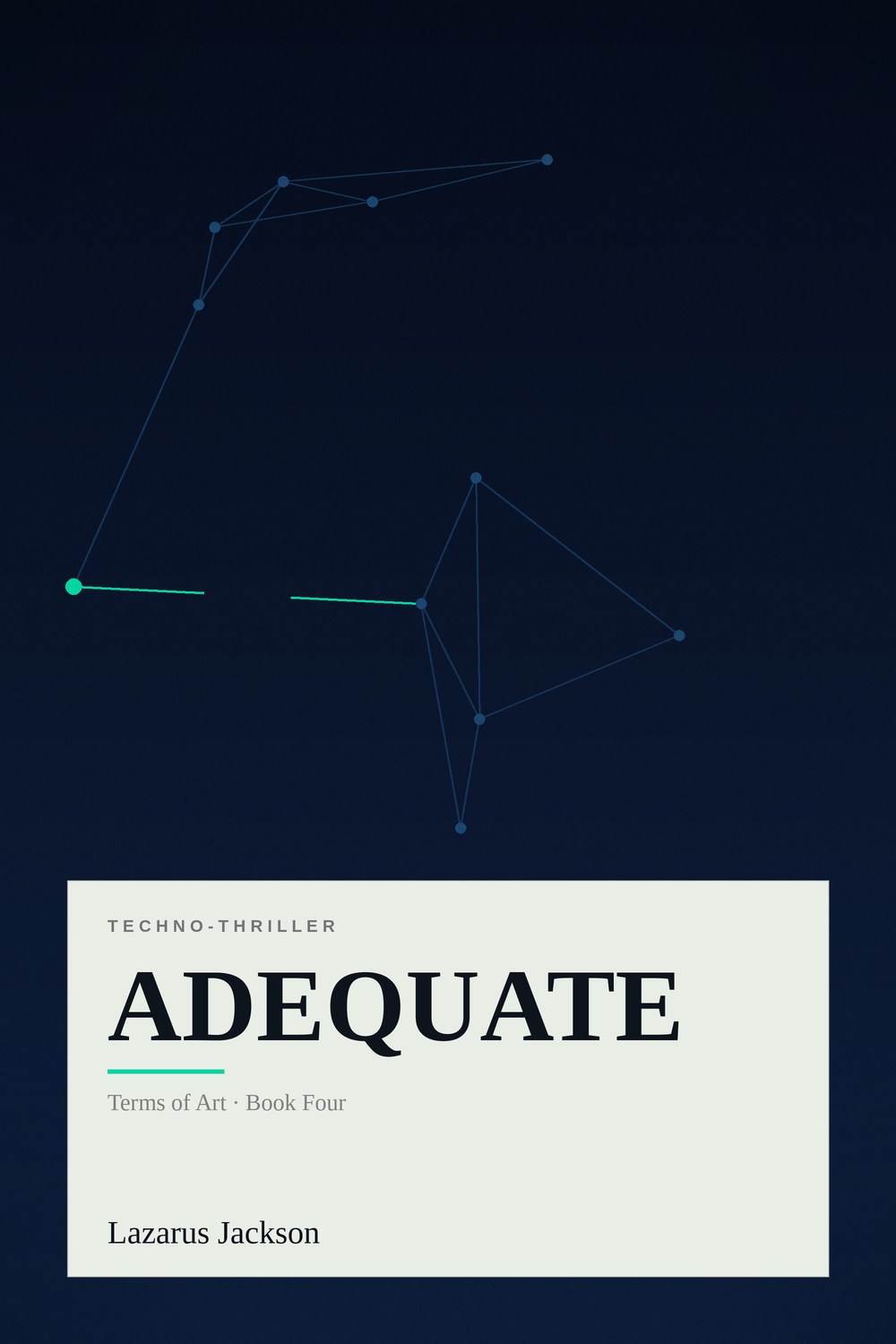
Adequate
Stanwick, Illinois, population 1,106: fourteen miles of water main, eleven of it four-inch cast iron laid in 1931 with a federal loan. At 03:41 on 14 February 2030 a balloon-frame house on Dorcas Street goes up, the fire department is on scene in eight minutes, and Weldon Stroupe - the village's one licensed water operator, who is also the man who reads the meters - stands across from the hydrant for two hours in eleven degrees and sees the supply line flatten on the bottom. The hydrant flowed 390 gallons a minute at the last test. The house needed a thousand. The engineering firm has colour-coded that hydrant red in seven consecutive reports since 1998, and the folder is in a filing cabinet four blocks from the fire, and nobody has ever asked for it.
What it is
The standard of care is one word. Village code section 7.3, adopted 1964: the Village shall maintain its water distribution system in good repair so as to provide adequate pressure and flow for domestic use and fire protection. The definitions section on the same page defines nineteen terms - consumer, curb stop, static pressure - and defines neither adequate, nor flow, nor fire protection. Lorna Seidenberg has adequate a hundred and nineteen times in a spreadsheet of four hundred and thirty-six across nine industries, and in about ninety of them there is a definitions section that defines the furniture and not the word. They always define the furniture; the furniture is the part they could agree on.
And it is the only honest word available, because any number is wrong somewhere in the village on the same afternoon: a thousand gallons a minute for the balloon frame on Dorcas, five hundred for the bungalow with forty feet of clear on both sides, and more than the village could ever deliver for the grain elevator. The real standard is a formula and a formula needs the building, and an ordinance cannot know the building. Nobody has ever written a fire flow number into a small-village water ordinance in this country.
There are three numbers and not one of them is in the code: 1,000 gallons a minute, which the house needed, in an advisory manual nobody has adopted; 390, which the hydrant gave, in red in a folder since 1998; and 250, which is the insurance rating organisation's floor, which is not law and binds nobody and is the only one of the three with a consequence attached, and the consequence is everybody's premium. Adopt the thousand and the village has enacted a document stating it is in permanent breach at eighty-seven of its ninety-one hydrants, and it will not put one gallon in the pipe. Eleven miles of eight-inch main is $14,200,000 against a water fund of $411,000 a year, and the grant programmes are drinking water programmes scored on drinking water deficiency, so the village cannot get money to fix a pipe that cannot fight a fire because its drinking water is clean.
So he is right about all of it and he has the wrong question, and a volunteer chief of thirty-nine years tells him so in a truck in September: water is for the next house and the contents of this one. Eight minutes is their best night and a bedroom is lethal at four and a half, so the people are decided before the tone drops. Nine fire deaths in that county in twenty years; seven had no working alarm; median time from ignition to the 911 call was nineteen minutes for them and four for the two who did. And there are forty-one free sealed ten-year alarms in a cardboard box on a shelf in the fire barn, available since 2011, with eleven men who will come and put one up - and in nineteen years they have installed eleven, because nobody in the village knew the box was there.
Three parts
Progress
15,342 of 16,000 words · 96%
Read
- 1The Line Went Soft
- 2Eight Minutes
- 3Red Since 1998
- 4One Thousand
- 5Four Inches, 1931
- 6A Hundred and Nineteen of Four Hundred and Thirty-Six
- 7Two Hundred and Fifty
- 8Nine Villages
- 9Don't
- 10The Battery
- 11A Box on a Shelf
- 12The Card
- 13Three Hundred and Eleven
- 14The Tender
- 15Virgel Was Right
- 16Tavis
- 17The Ledger
- 18Adequate
Terms of Art — in order
Also on the shelf
© 2026 Lazarus Jackson. All rights reserved. This is a work of fiction. All characters, companies, institutions and events are invented; any resemblance to real people or organisations is coincidental.